
thematic research committees
railroad committee
With 30,000 km of rail network, but still fragmented, the committee monitors incentive policies, regulatory frameworks, and investments. Objective: to increase rail participation to up to 47% by 2035, reduce logistics costs, and align the sector with the decarbonization and sustainability agenda.
highway committee
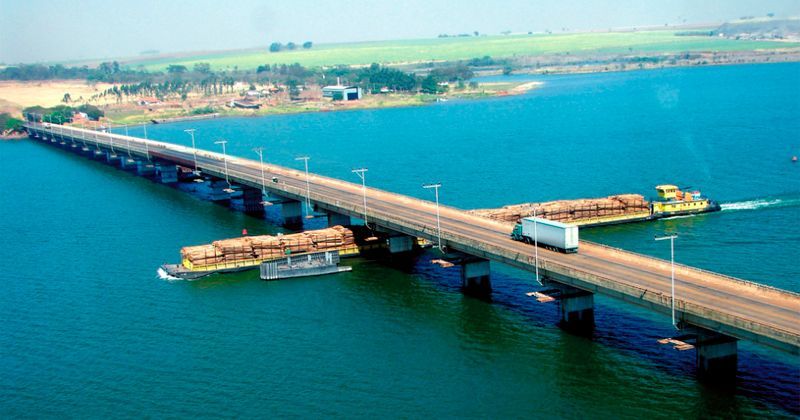
Focused on the country's main mode of transport, which accounts for 62% of cargo. It works on the analysis of concessions, tariff regulation, financing, maintenance, and integration of road transport with other transport systems. Objective: to overcome historical bottlenecks and promote regulatory predictability.
ports and airports committee
Responsible for monitoring a sector that accounts for 95% of Brazilian foreign trade. The focus is on private investment, modernization, integrated governance, and regulatory stability. Objective: to position Brazil more competitively in global value chains.
integrated logistics committee
Focused on a systemic view of infrastructure as a national strategy. It encompasses distribution centers, digitalization of production chains, and green logistics practices. Objective: to integrate modes of transport, reduce costs, and align Brazilian logistics with international sustainability requirements.
cross-cutting policy committee
- Tax Reform: Assessment of Impacts on Concessions, Long-Term Contracts, and Business Competitiveness.
- Infrastructure Investments: Analysis of legal security, regulation, and financing models.
- Foreign Trade (Comex): the impact of logistics and regulation on global value chains and Brazil's international integration.
These committees function as permanent spaces for coordination, connecting public and private actors, anticipating trends, and helping to consolidate long-term agendas for the country.